
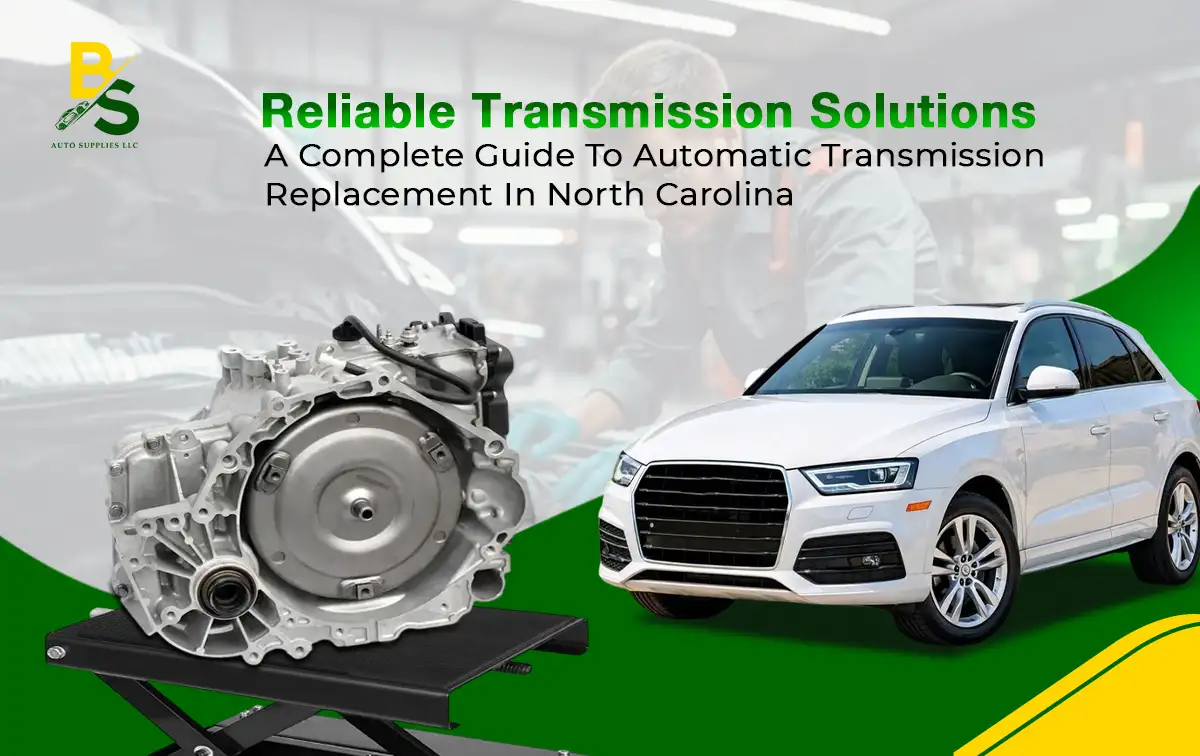
Replacing a transmission is one of the most important and costly repairs a vehicle can need. For drivers in North Carolina, understanding the process of Automatic Transmission Replacement can help you make informed decisions, avoid unnecessary expenses, and keep your vehicle running smoothly for years. Whether you’re dealing with a worn out unit or planning a preventive upgrade, this guide will walk you through the essentials.
Understanding Automatic Transmission Failure
The automatic transmission is responsible for shifting gears smoothly without driver input. Over time, heat, friction, and fluid degradation can cause internal components to wear out. Common signs of failure include delayed shifting, slipping gears, strange noises, or fluid leaks under the vehicle.
For vehicles like the Hyundai Sonata 3.3L FWD automatic transmission , these issues can become more noticeable as mileage increases. Models such as the 2009 Sonata automatic transmission 3.3L FWD and 2010 Hyundai Sonata 3.3L transmission replacement are known to require attention once they cross high mileage thresholds or experience poor maintenance history.
Choosing the Right Replacement Transmission
When it comes to Automatic transmission replacement Hyundai Sonata 3.3L 2009-2010, selecting the correct unit is critical. Even small variations in engine or drivetrain compatibility can lead to performance issues.
For example, a 2009 Hyundai Sonata 3.3L FWD automatic transmission must match specific OEM specifications to ensure proper fit and function. Similarly, a 3.3L FWD automatic transmission 2009 Sonata is not interchangeable with other engine variants without proper verification.
This is where reliable suppliers like BS Auto Supplies LLC come into play. They help customers source compatible transmissions that meet factory standards and reduce the risk of installation problems.
The Replacement Process in North Carolina
In North Carolina, transmission replacement is typically performed by certified automotive technicians. The process includes:
- Diagnosis and inspection – Confirming that the transmission is beyond repair.
- Removal of the old unit – Disconnecting drivetrain components and safely removing the transmission.
- Installation of the replacement transmission – Installing a compatible unit such as a 2009 Hyundai Sonata 3.3L FWD automatic transmission .
- System calibration and testing – Ensuring smooth gear shifts and proper fluid levels.
Professional installation is strongly recommended, as improper fitting can lead to severe drivetrain damage.
Cost Considerations
The cost of Automatic Transmission Replacement in North Carolina varies depending on labor rates, vehicle model, and whether you choose a new, rebuilt, or used transmission. Hyundai Sonata models such as the 2009–2010 versions typically fall in the mid-range cost category, but prices can increase if additional components need replacement.
Working with trusted suppliers like BS Auto Supplies LLC can help reduce costs by providing quality tested transmissions at competitive pricing.
Maintenance After Replacement
After installing a new transmission, proper maintenance is essential. Regular fluid checks, avoiding aggressive driving, and scheduling routine inspections can significantly extend the life of your new unit. This is especially important for vehicles like the 2010 Hyundai Sonata 3.3L transmission replacement , where long term reliability depends on consistent care.
Final Thoughts
Whether you are repairing a daily commuter or restoring an older vehicle, Automatic Transmission Replacement is a major but manageable process when handled correctly. By choosing the right parts such as a properly matched Hyundai Sonata 3.3L FWD automatic transmission and working with experienced suppliers like BS Auto Supplies LLC , drivers in North Carolina can ensure long-lasting performance and peace of mind on the road.







0 Comments